Turning Executive Complexity Into a Clear Retirement Plan

A Gary Alpert Financial Strategies Case Study

This is a hypothetical situation based on real-life examples. Names and circumstances have been changed. The opinions voiced in this material are for general information only and are not intended to provide specific advice or recommendations for any individual. To determine which investments or strategies may be appropriate for you, consult your advisor prior to investing. (150-LPL)

Let's Talk

A disciplined retirement, built on clarity (not guesswork)

Kristen spent more than 25 years building her career at a Fortune 100 retailer, rising into an executive role that came with all the perks and complications: strong income, meaningful equity compensation, and a growing stock position that “worked” — right up until the day it became a risk she could not ignore.
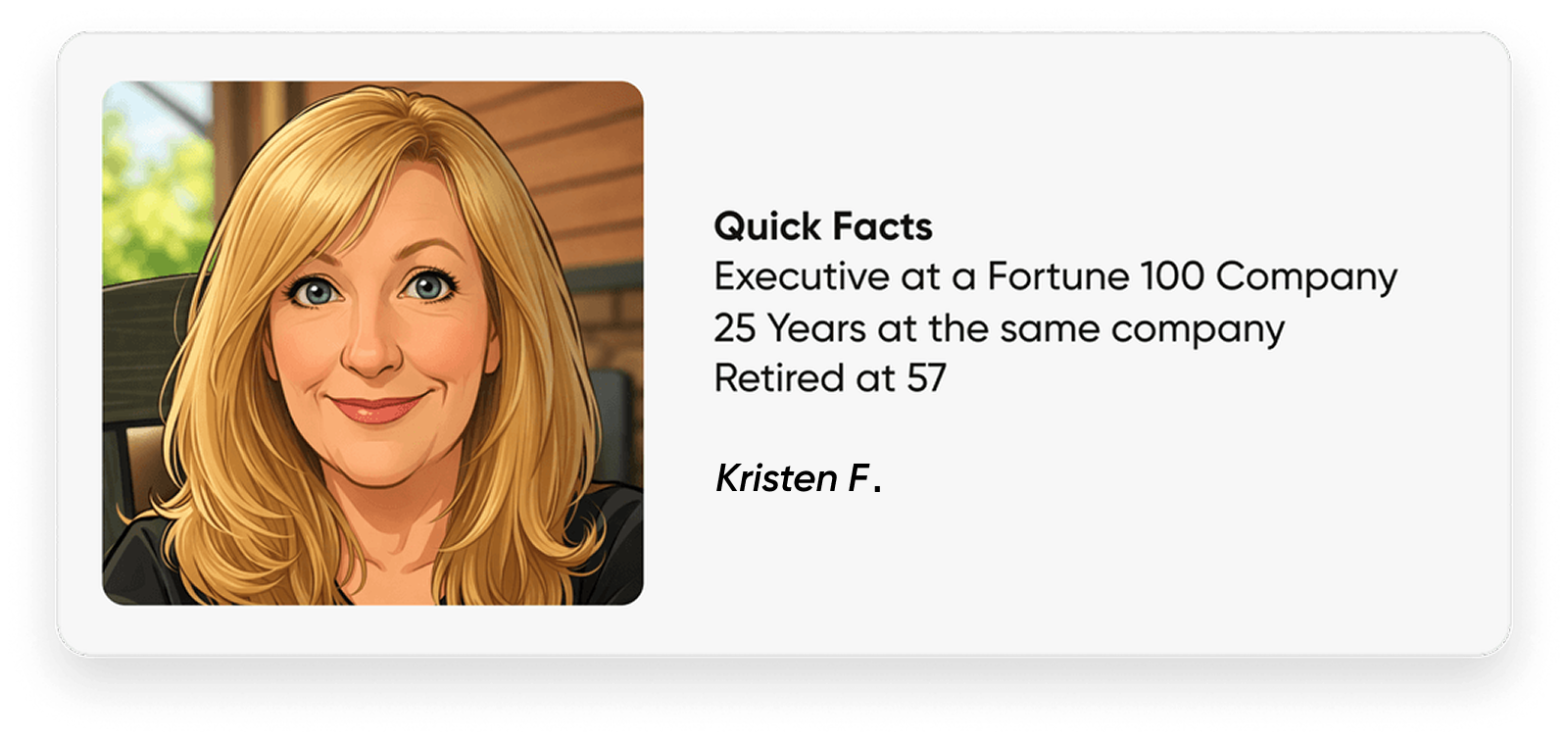
Like a lot of high achievers, Kristen did what smart, capable people often do when life gets busy: she handled things as they came. Her stock awards kept vesting. She kept holding. Her portfolio became increasingly concentrated in one company, and the deeper she got, the harder it felt to unwind without creating a tax mess.

Then retirement showed up earlier than most. Not 65. Not even 60. Kristen retired in fall 2024 at 57, with a new life in South Carolina, a son living out of state, and a long runway ahead. She did not need more “investment talk.” She needed a real plan — one that protected what she built, made retirement feel predictable, and lowered the risk of one wrong move in the market taking a chunk out of her future.

That’s where our team at Gary Alpert Financial Strategies entered the picture.

Financial Planning

A business brings a lot of paperwork. On top of that, you've got to manage your taxes. We take care off everything for you.

Business Planning

A business brings a lot of paperwork. On top of that, you've got to manage your taxes. We take care off everything for you.

Retirement Planning

A business brings a lot of paperwork. On top of that, you've got to manage your taxes. We take care off everything for you.

The Real Issues

Kristen's situation looked great on paper. She had accumulated several million in investable assets, carried no debt, and was in strong financial shape.

1

Stock Accumulation

A major stock concentration tied to both her portfolio and her former employer.


2

Timing

A tax picture that could change dramatically depending on how and when stock was sold.

3

Complexity

A retirement transition full of time-sensitive decisions.

4

Uncertain Future

A single-person household with estate planning and long-term care questions.

In other words: nothing was broken — and that’s what made it time-sensitive. When risk remains abstract rather than immediate, it’s easy to postpone the hard decisions.

Kristen knew the concentration was a problem. She just had never seen a compelling reason to fix it… until retirement became less of a dream, and more of a certainty. At this point it became clear that it was time to think differently.

When risk remains abstract rather than immediate, it’s easy to postpone the hard decisions.
-Gary Alpert

STEP 1

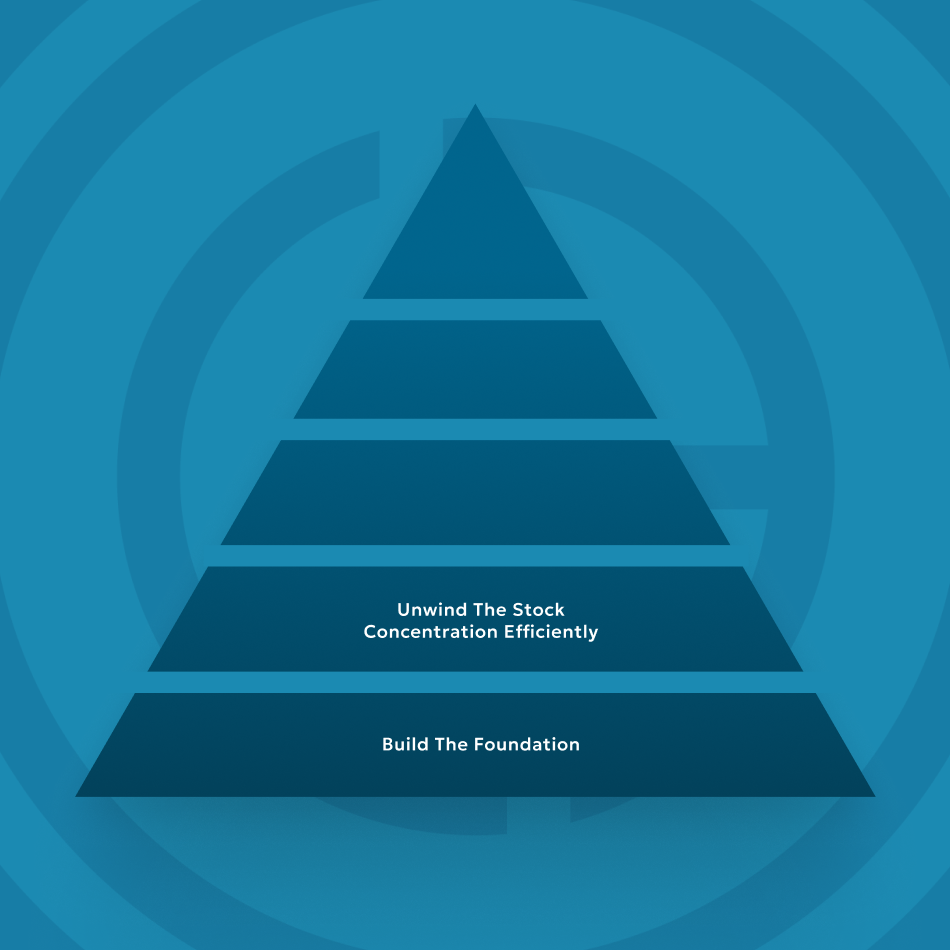
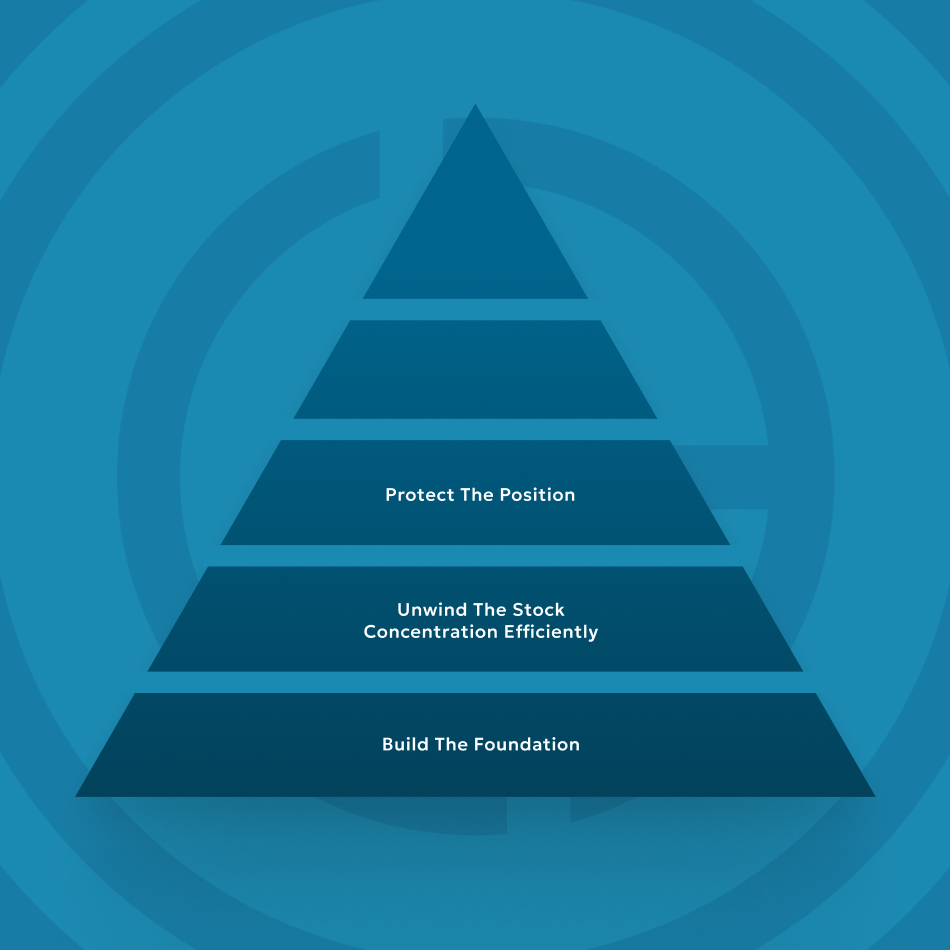
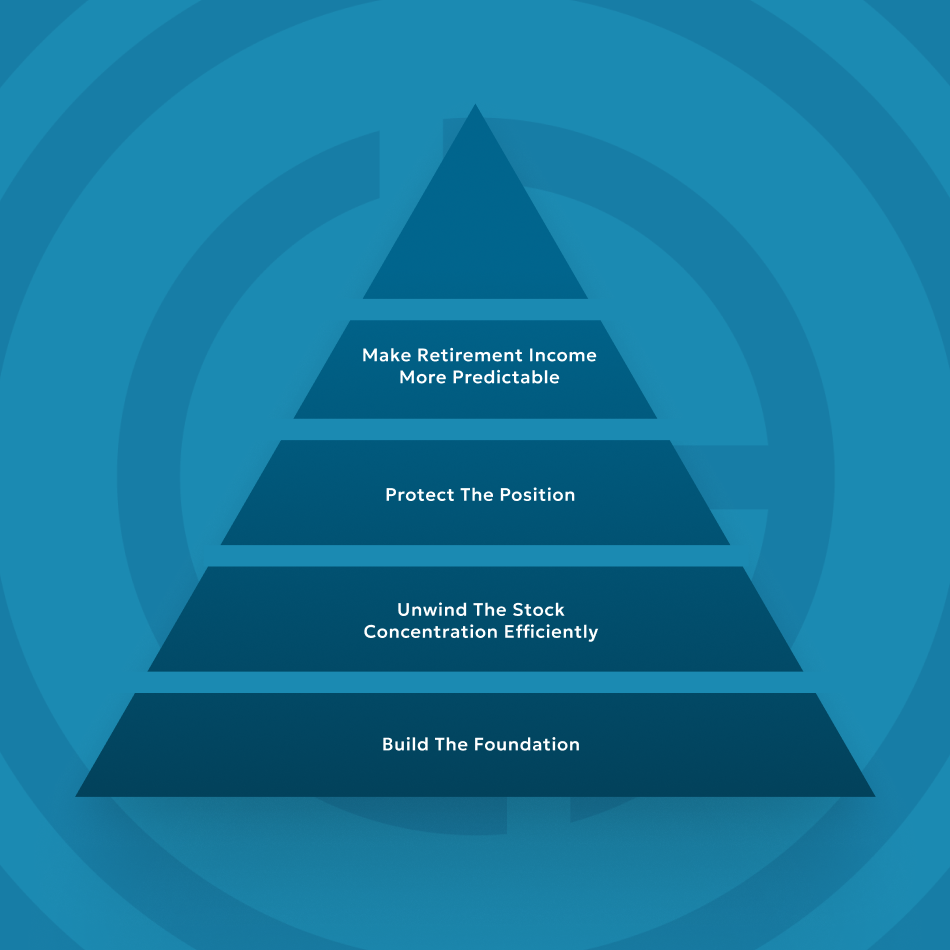
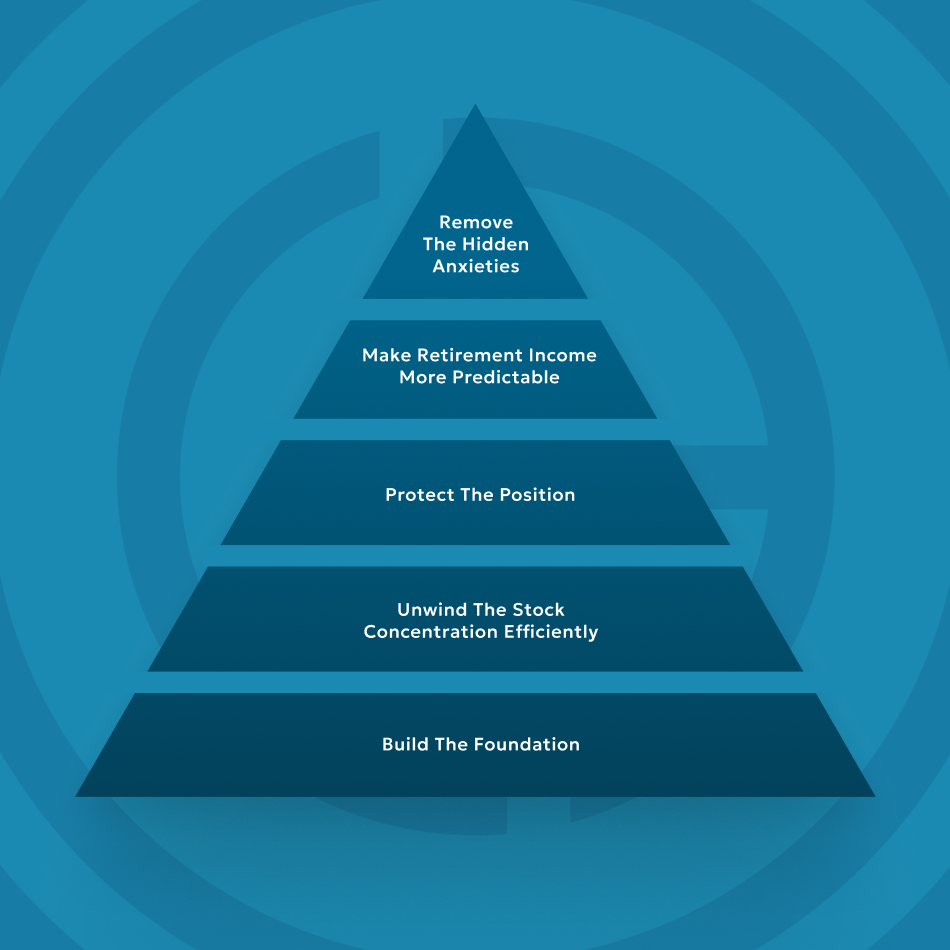
Build the Foundation

Gary and our team worked from the same principle we use with every client: protect the downside before chasing growth.

With Carol, that started with organization and visibility.

Over time, our team helped consolidate accounts, simplify her structure, and build a clear view of:

1. What she owned
2. Where it lived
3. How it was taxed
4. And what it was designed to do in retirement

This also meant shifting her experience from an informal approach to a repeatable, disciplined process: regular reviews, plus situational meetings any time a major decision showed up. As retirement approached, the number of touchpoints increased. Not because there was panic, but because precision mattered.

Let's Talk

STEP 2

unwind the stock concentration with a tax-efficient strategy

Carol had accumulated company stock for years, including shares dating back to the early 2000s. The stock had performed extremely well, which is a nice problem to have… until you realize success can create risk.

We helped Kristen tackle the concentration in two ways:

1. Stop the concentration from growing.

A big early win came through education. Kristen held on to vested restricted stock because it felt simpler, and selling felt like it might create extra tax consequences. Our team walked her through the reality: once stock vested, she had flexibility to sell without triggering additional income tax beyond what was already recognized at vesting. That insight alone helped change behavior and slow the accumulation.

2. Build a tax-smart exit plan for the legacy stock.

Reducing a large stock position is not as simple as “sell it.” The timing matters because the tax impact can swing dramatically based on income thresholds.

Using scenario modeling, our team stress-tested six scenarios with different sale timing/amounts to answer one question:

How much stock could Kristen sell each year to meaningfully reduce risk while staying in a more favorable capital gains range?

This mattered because the wrong move could push her into higher effective capital gains rates and trigger additional taxes that appear only after certain thresholds are crossed (including the Net Investment Income Tax).

The team’s plan focused on using Kristen's post-retirement “low-income window” — a two-year stretch where ordinary income dropped enough to make strategic sales far more efficient. The goal: reduce the concentration before distributions from qualified accounts begin, and do it with discipline instead of guesswork.

Let's Talk

STEP 3

Protect the position while the plan runs

Even with a tax plan, one risk remained: what if the stock dropped hard before they could unwind it?

To protect Carol during the transition period, the team worked with a strategic partner to implement a cashless equity collar, a strategy designed to keep the stock’s value within a defined range for a period of time.

The goal wasn’t to add complexity, but to reduce downside risk during the transition, so timing alone wouldn’t determine the outcome.

It gave Carol breathing room, and it kept the plan on track.

step 4

turn retirement income into something predictable

Carol was also moving from accumulation to distribution, and that transition is where a lot of retirees feel the most uncertainty.

We helped her map out a clear income approach built for real life, not perfect markets:

• Segmenting assets so she had reliable income sources for the early retirement years
• Structuring "buckets" designed to fund multiple years of spending without needing to sell depressed assets in a downturn
• Stress-testing the plan so she could see what happens if markets deliver a rough three-to-five-year stretch

This is where the emotional shift tends to happen. The work stops feeling like spreadsheets and starts feeling like:

“Okay. I get it. This holds up even if the market gets ugly.”
-Carol K.

step 5

remove the hidden anxieties

For many people, retirement worry comes from the obvious things: markets, income, taxes.

For Carol, it also included the quieter ones: healthcare coverage before Medicare, estate organization, and making sure her son was protected if something happened.

So the team stepped in to analyze the full picture. We coordinated closely with her CPA to support estimated tax planning and help avoid unwelcome surprises, introduced her to an estate attorney and worked through beneficiary designations and powers of attorney, and helped bridge healthcare coverage in the years between employer benefits and Medicare eligibility.

We helped her evaluate long-term care planning, not because it was strictly necessary, but as a thoughtful way to protect her legacy goals by reducing the risk that future care costs could erode the assets she hoped to leave her son.

The Results

Carol’s situation looked great on paper. She had accumulated several million in investable assets, carried no debt, and was in strong financial shape.

1

Planning

A clear plan to reduce a major stock concentration over a defined window

2

Modeling

Tax-aware modeling to avoid triggering unnecessary jumps in effective rates

3

Safeguards

Safeguards on the concentrated position while the transition played out

4

Retirement

A retirement income structure designed to function through volatility

5

Clarity

A simplified, consolidated financial picture that was easier to manage

6

Coordination

Coordinated professionals around her (CPA, estate planning) with our team acting as the hub

Most importantly, Carol gained peace of mind that came from real clarity: she understood the plan, understood why it worked, and knew the next steps would not come out of left field.

That’s when retirement stops feeling like stepping into the unknown and starts feeling like a new chapter you can actually enjoy.

Carol now spends her time building community in her neighborhood, exploring her city, doing volunteer work, and keeping life interesting with part-time work she genuinely enjoys.

And if a question pops up? She knows she can pick up the phone and get an answer.

Quote from Carol about working with Gary Alpert & Associates.
-Carol K.

Why This Story Matters

Kristen is an ideal example of who Gary Alpert Financial Strategies serves best: high-achieving professionals approaching a transition point — retirement, liquidity events, equity compensation complexity — who want more than market commentary.

They want structure and discipline.
They want a planning process that works regardless of headlines.
They want a partner who will be with them for the long haul.

This case study isn’t about one stock position or one retirement date. It’s about what happens when a capable person stops improvising and starts working with a team that can simplify the complex, help protect the downside, and build a repeatable path forward.

We believe it’s time to think differently. We want your life after work to feel intentional, stable, and genuinely fulfilling. Reach out to us today if that sounds like a good plan for you and your family.

Get in touch

Let's start a conversation

Reach out today and let’s explore how we can bring clarity and calm to your financial life.

Thank you! Your submission has been received!
Oops! Something went wrong while submitting the form.

WORKING TOGETHER

Let's start a conversation

Fill out the form below, and we'll get back to you shortly.

Thank you! Your submission has been received!
Oops! Something went wrong while submitting the form.